


Chess Clocks: History and Modernity
Introduction
Time in chess plays no less a role than the game itself. Time control disciplines chess players, makes the game more dynamic, and prevents prolonged matches. Chess clocks have become an essential attribute of competitions, evolving from sand timers to modern digital devices. Whether you play chess game online play or train with chess training online free, understanding time control will help you improve your skills.
History of Chess Clocks
Sand and Mechanical Clocks
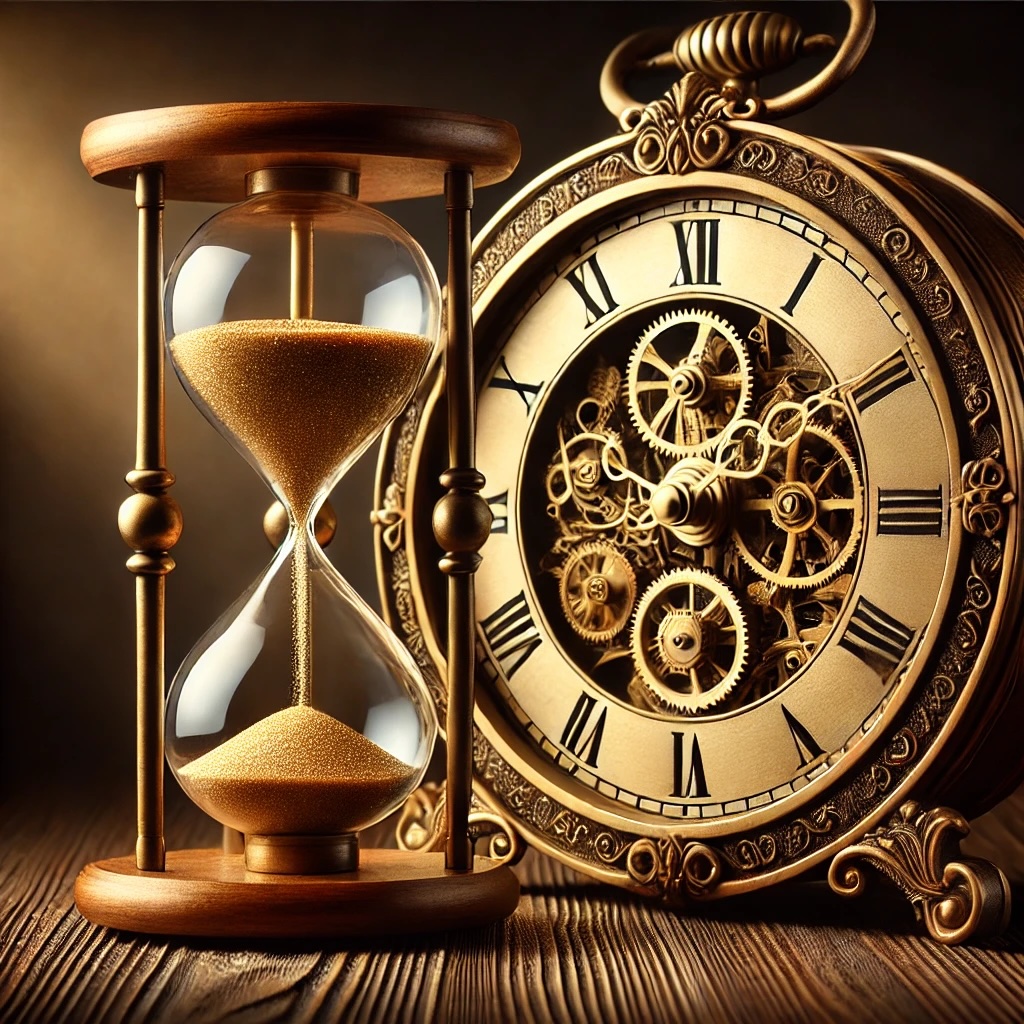
The first attempts to control time in chess appeared in the 19th century when sand timers were introduced. However, they were inconvenient as they required constant monitoring.
In 1883, mechanical chess clocks were invented, consisting of two interconnected mechanisms with pendulums and buttons. When one player made a move and pressed the button, their clock stopped, and the opponent’s clock started. At that time, chess clocks were used in chess clubs and professional tournaments.
Electronic Chess Clocks
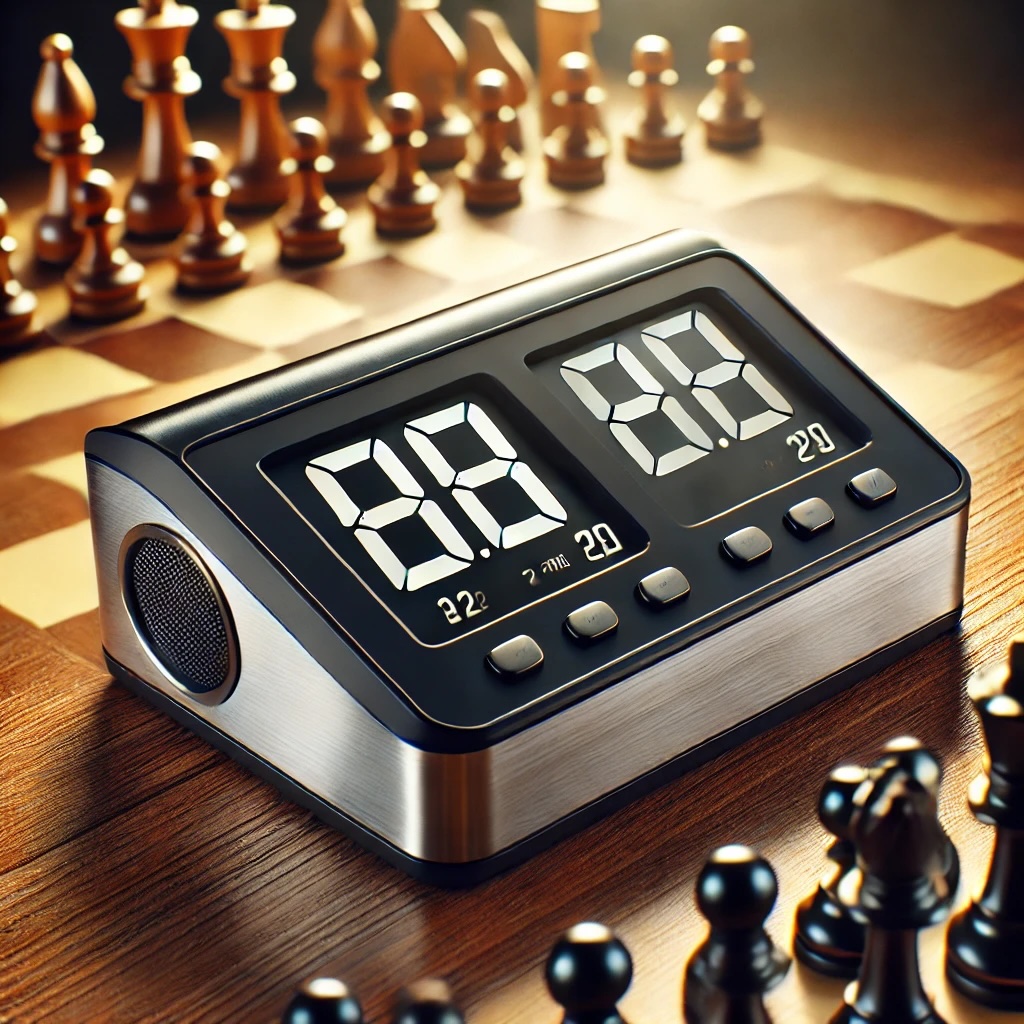
In the 1960s, the first electronic clocks with digital time displays appeared, making control more precise. They became the standard in international tournaments and enabled various time control modes. Today, if you play chess online+ or chess against a computer, digital clocks have become a crucial element of tournaments and online platforms.
How Time Control Works in Chess
Modern chess clocks operate on the principle of alternating time tracking. When one player makes a move and presses the clock button, their time stops, and the opponent’s time starts.
Main Time Control Systems
- Classical Control – Each player is given a specific amount of time for the entire game (e.g., 90 minutes + 30 seconds increment per move). This format is used in professional tournaments and online games like chess chess game.
- Blitz and Rapid Chess – Games with a shortened time control, such as 5 minutes per game. These games are popular on play chess board and virtual chess platforms.
- Fischer Control – A few seconds are added to a player’s time after each move, preventing total time depletion.
- Bronstein Control – Instead of simply adding time, it compensates based on the speed of the move.
Modern Technologies in Chess Clocks
With the advancement of technology, chess clocks have become more convenient and functional. Some of their modern features include:
- Accuracy and Reliability – Digital clocks eliminate errors typical of mechanical devices.
- Variety of Modes – Ability to configure different types of time control.
- Integration with Online Platforms – Some models sync with chess online betting services for game tracking.
- Touch Control – Modern models allow time switching without physical buttons.
- Training and Game Analysis – Some models offer analysis features useful for chess lessons for beginners.
Use of Chess Clocks in Online Games
Chess clocks are used not only in offline tournaments but also on online platforms such as chess game against computer and chess play online free. Players can select different time controls, including blitz, bullet, and classical formats. Analysis tools like chess game analysis free help players refine their strategies.
Conclusion
Chess clocks are not just a tool for time control but an essential part of competitions that influence game dynamics. They have evolved from sand and mechanical devices to modern digital technologies, providing precision and convenience. Regardless of skill level, time control adds unique tension to chess and makes each match even more exciting. Using chess training online free will help you learn how to manage time better in the game, while knowledge of time control will be useful in chess against cpu and two-player games like 2 player chess app.